

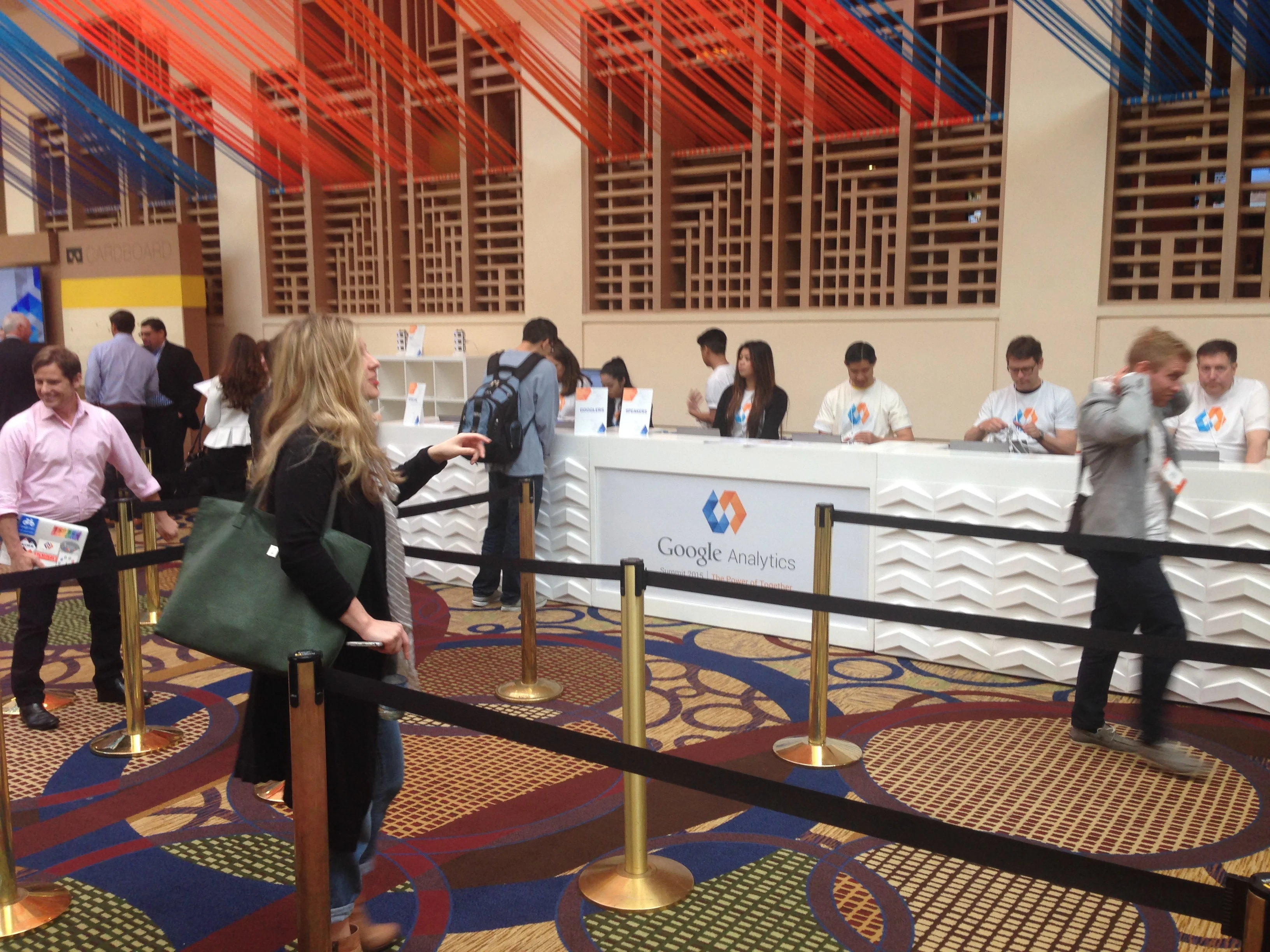
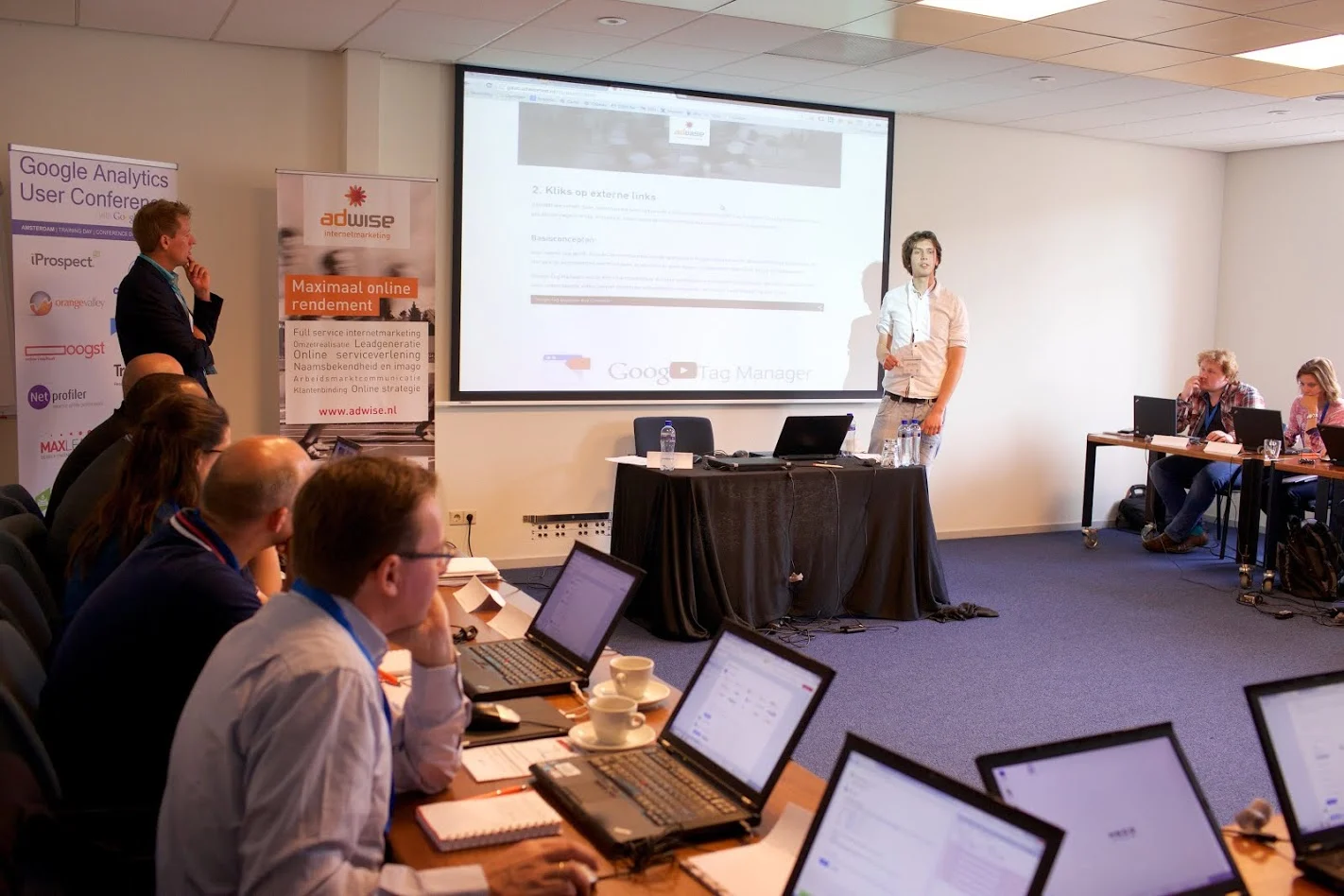
It sounds obvious, but most organisations weren’t set up that way.
On the product side, this was one of those moments where you could see things forming before they became mainstream:
- Deeper GA and AdWords linking (moving towards a more unified stack)
- RLSA becoming more usable in practice
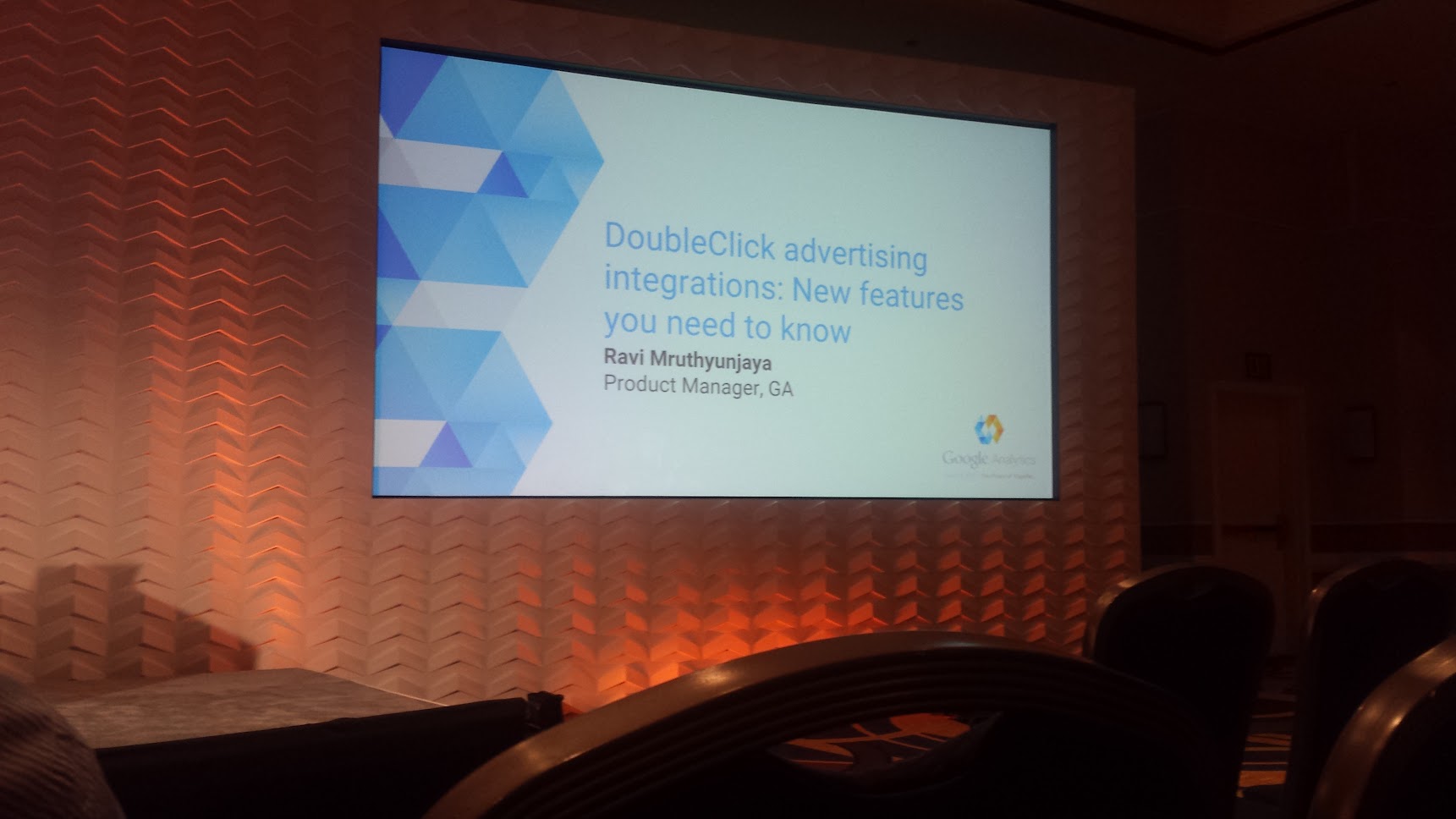
- DoubleClick integration tightening, especially around activation and data flow
- API v4 improvements, proper date comparisons, better segmentation handling
- Sampling limits being pushed significantly in GA Premium
And then the more interesting part, which felt like a signal of where things were going:
Google Optimize being introduced.
Testing, personalisation, and measurement starting to sit much closer together rather than being stitched across tools.
There was also a demo of a reporting layer (Google Manage) pulling data from GA, scripts, Drive, and other sources into something much more flexible. Drag, drop, shareable dashboards. In hindsight, it was an early version of what later became standard across BI tools.
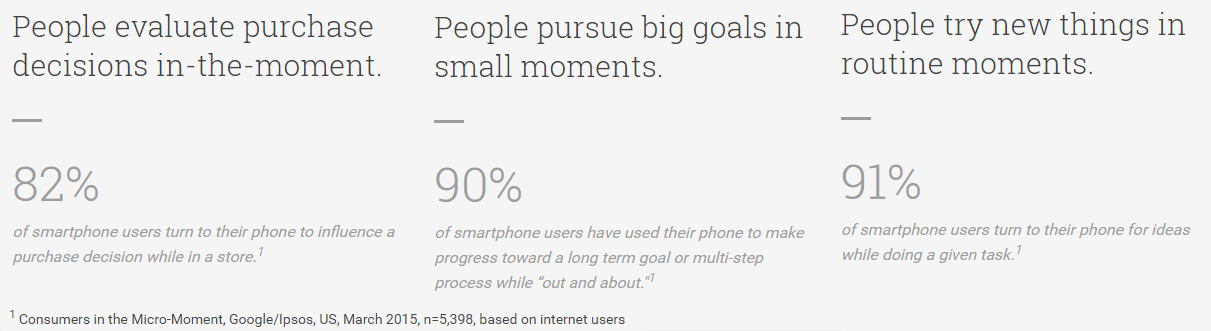
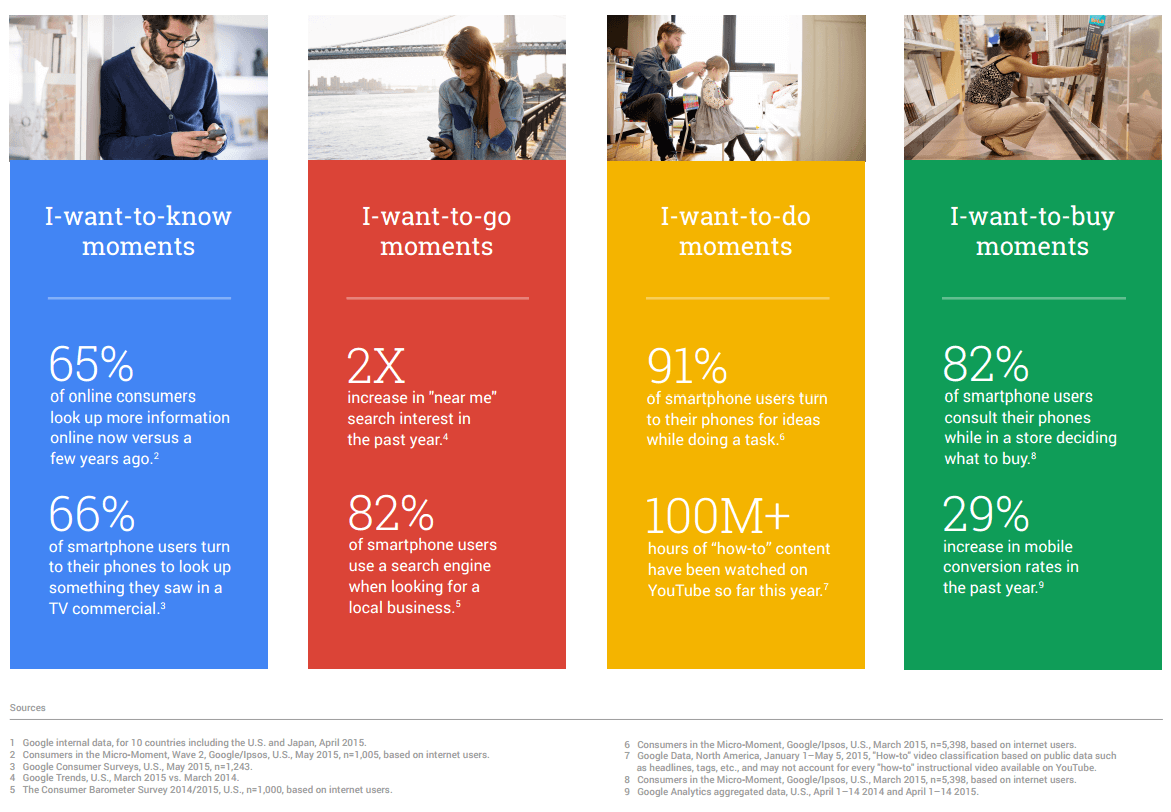
What I took from it wasn’t any single feature. It was the direction:
- Less separation between data, media, and product.
- More emphasis on intent in the moment.
- And a clear push towards making experimentation part of the day-to-day, not a separate function.
It shaped quite a bit of how I approached growth work afterwards. Less about optimising channels in isolation, more about understanding what someone is trying to do right now, and removing friction around that.